The benefits of customer retention go way beyond repeat purchases. According to Bain & Company research, a 5% retention boost increases profits by 25% to 95%. Most WooCommerce stores waste their budget chasing new customers who might never come back.
Why is e-commerce customer retention more important than acquisition? According to Gartner, 80% of future profits will come from just 20% of existing customers . Your existing customers already trust you. New prospects need lots of convincing before their first purchase.
This guide shows you eight proven benefits of customer retention. You’ll learn tactics you can use today. We’ll also show you how to export WooCommerce customer lists to power campaigns that work.
What Is Customer Retention?
Customer retention is your ability to keep customers coming back to buy again. It’s measured as a percentage of customers who make repeat purchases over a specific time period. High retention means customers return. Low retention means they buy once and leave. Understanding the benefits of customer retention starts with knowing what it means for your bottom line.
How do you measure customer retention? Use this formula:
Customer Retention Rate = ((Customers at End – New Customers) / Customers at Start) × 100
For example: If you started with 500 customers, gained 100 new ones, and ended with 550 total customers, your calculation would be: ((550 – 100) / 500) × 100 = 90% retention rate.
Retention differs from acquisition. Customer acquisition is the process of attracting and converting people who have never bought from your store before.
This includes ads, marketing campaigns, and outreach efforts. Retention keeps existing customers buying again. Both matter, but retention costs far less and pays off faster.
Customer Retention vs. Acquisition: The Financial Reality
The cost difference
Acquisition drains budgets fast. You pay for ads to reach strangers. Retention marketing targets people who already trust you. These shoppers bought from you before. Your products proved their worth.
How much does it cost to retain a customer vs acquire one? Well, the gap is huge. Every dollar on retention delivers better ROI. You’re not starting from zero awareness.
The conversion gap
Existing customers buy more often. They trust you. Your shipping met their expectations. Product quality impressed them. Customer service solved their problems.
New prospects hesitate. They’re risking money on an unknown store. That’s why they convert at much lower rates than returning customers.
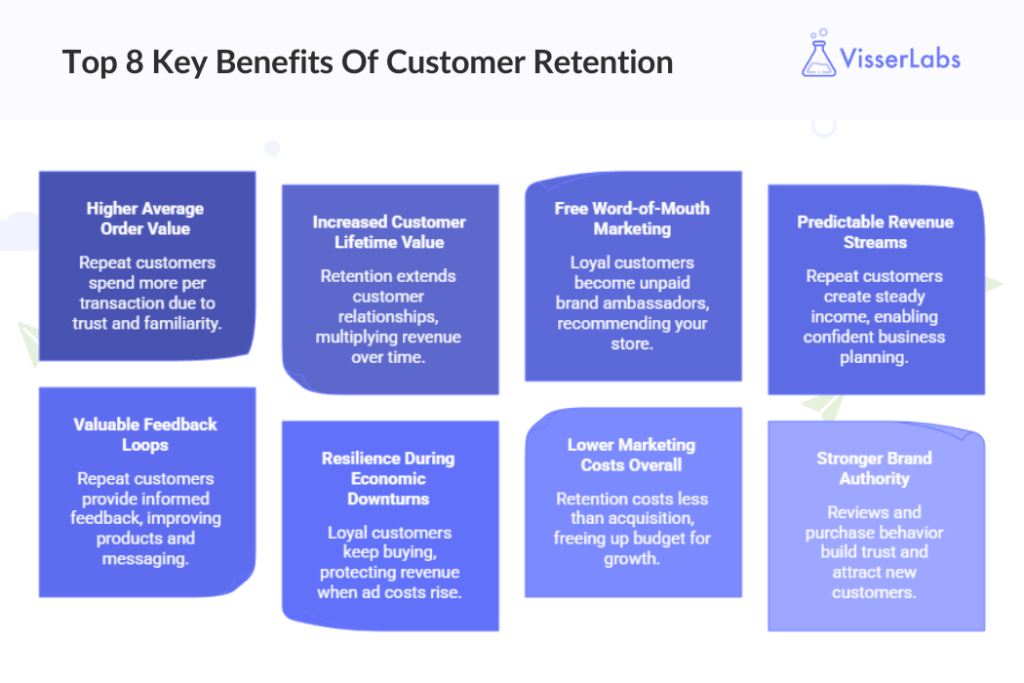
Top 8 Key Benefits Of Customer Retention
Here’s what you gain when you keep customers coming back:
1. Higher Average Order Value (AOV)
Repeat customers spend more per transaction because trust removes purchase hesitation. They buy expensive items without waiting for sales. Recommended products get added naturally.
If you’re wondering whether repeat customers spend more than new customers, the answer is yes—significantly more. This is one of the top benefits of customer retention that directly impacts revenue.
Over time, this spending pattern strengthens. Customers get comfortable exploring your full range, which leads to even higher order values.
2. Increased Customer Lifetime Value (CLV)
Customer Lifetime Value (CLV) tracks total revenue per customer. It covers their full relationship with your store. Retention extends that relationship. This means more revenue from each shopper.
You might be asking what is customer lifetime value and why does it matter? Simply put, it’s your most important profit metric.
When you calculate Customer Lifetime Value, you see the real impact. Repeat customers explore your catalog more deeply. Consequently, each purchase builds familiarity and trust in your brand.
3. Free word-of-mouth marketing
Loyal customers become your best salespeople at zero cost. They recommend your store to friends and family. These referrals carry more weight than any ad because they come from trusted sources.
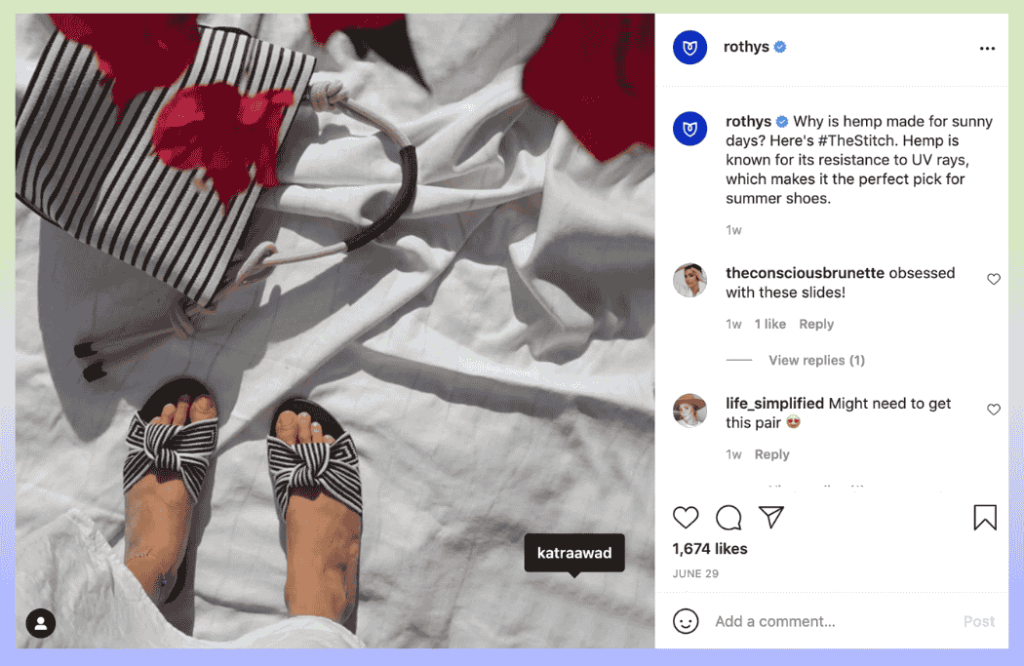
If you’re curious about how loyal customers help with marketing, think of them as unpaid brand ambassadors.
Moreover, referred customers stick around longer. Trust transfers directly from the person who made the recommendation.
4. Predictable revenue streams
Repeat customers create steady income that you can count on. Unlike unpredictable ads, retention revenue grows consistently over time. First-time buyers may never return. However, after a second purchase, a third becomes more likely.
This predictability helps you plan inventory, staffing, and growth with confidence. Therefore, you can make smarter business decisions based on reliable data.
5. Valuable feedback loops
Your repeat customers give the best feedback because they understand your products deeply. They tell you exactly what keeps them coming back. This helps you improve products and refine messaging.
You might wonder what makes repeat customers valuable for product development? The answer lies in their informed perspective.
Furthermore, insights reveal which features matter most. You’ll know which items deserve prime homepage placement based on real customer behavior.
6. Resilience during economic downturns
When ad costs spike or the economy slows, loyal customers save you. They keep buying because they value your products. Direct visits replace ad clicks, which protects your revenue during tough times.
Meanwhile, competitors relying on paid ads struggle. Their customer acquisition cost (CAC) becomes unsustainable during budget crunches. Consequently, they lose market share while you maintain stability.
7. Lower marketing costs overall
Every dollar saved on retention goes to growth. If you’re questioning whether customer retention is cheaper than acquisition, Harvard Business Review data proves it. Retention costs far less than acquisition. The difference is substantial and measurable.
Additionally, marketing gets efficient when you focus on customers who already converted. They need less convincing for the second purchase. As a result, your cost per sale drops dramatically.
8. Stronger brand authority
Returning customers build trust for you without additional effort. Reviews from loyal shoppers carry weight with potential buyers. Purchase behavior shows up in analytics, which validates your business model. Similarly, engagement creates social proof that attracts new customers.
This makes new customer acquisition easier over time. Prospects see evidence that your store delivers, so conversion rates naturally improve.
How To Export Customer Segments In WooCommerce
You can’t send a “We Miss You” email without knowing who’s gone quiet. If you’re wondering how to identify at-risk customers in WooCommerce, the answer starts with data exports.
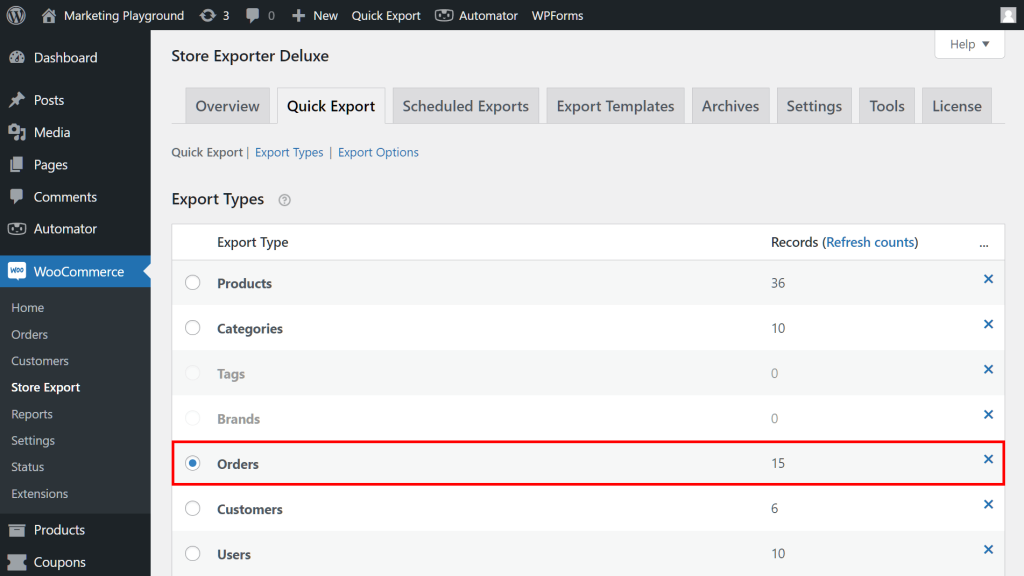
This is essential for unlocking the benefits of customer retention through targeted campaigns. I’ve found that Store Exporter Deluxe makes this straightforward. The interface lets you filter customers by last order date, total spent, or products purchased.
Set up weekly scheduled exports of “at-risk” customers. These are people who haven’t bought in 90 days. Feed that list into your email tool. Store Exporter Deluxe was easy to set up. I had my first export running within minutes.
Personalize the experience via bulk updates
Tagging VIP customers one by one takes forever. If you’re wondering how you can segment customers for loyalty programs, the solution is bulk data updates. First, export WooCommerce orders and analyze spending in Excel or Sheets. Find your top spenders by sorting the data.
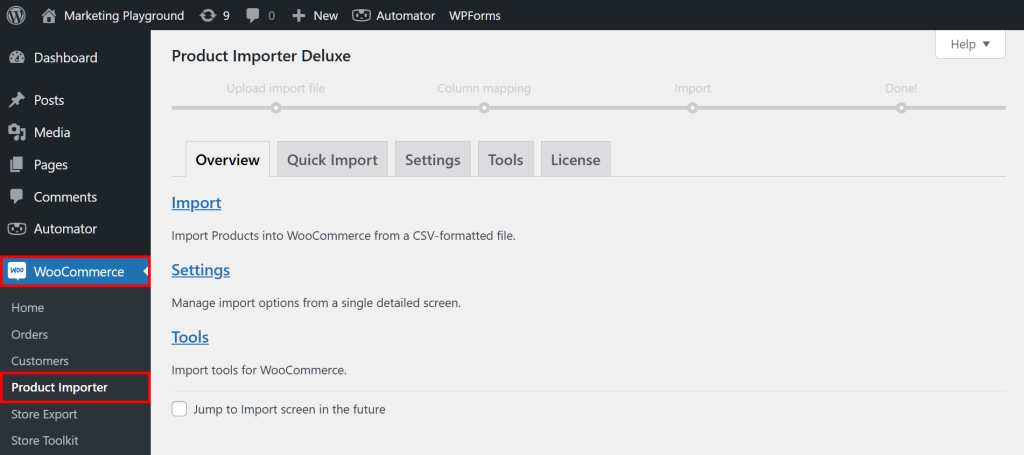
Then use Product Importer Deluxe to bulk-add “VIP” tags. You can also assign special user roles. These unlock early access or exclusive discounts. Bulk updates saved me hours compared to manual entry. As a result, personalization becomes scalable instead of tedious.
Analyze purchase trends
Export your order history to find patterns that drive repeat purchases. Which products bring customers back? Is it a specific category? A certain price point? A seasonal item?
What customer data should you track for retention? Start with these purchase pattern indicators.
- Purchase frequency (how often customers buy)
- Time between orders (typical buying cycle)
- Product repurchase rates (which items bring them back)
- Last purchase date (who’s at risk of churning)
- Average order value trends (spending patterns over time)
- Product categories per customer (what they prefer most)
Use this data to create bundles. Bundles encourage repeat purchases naturally. Furthermore, adjust your homepage to feature high-retention products. I noticed that highlighting bestsellers from repeat customers improved second-purchase rates. This simple change made a measurable difference.
3 Simple Retention Strategies To Start Today
What are the best customer retention strategies for online stores? Start with these three proven tactics. Each one directly taps into the benefits of customer retention we’ve covered:
The “Win-back” email campaign
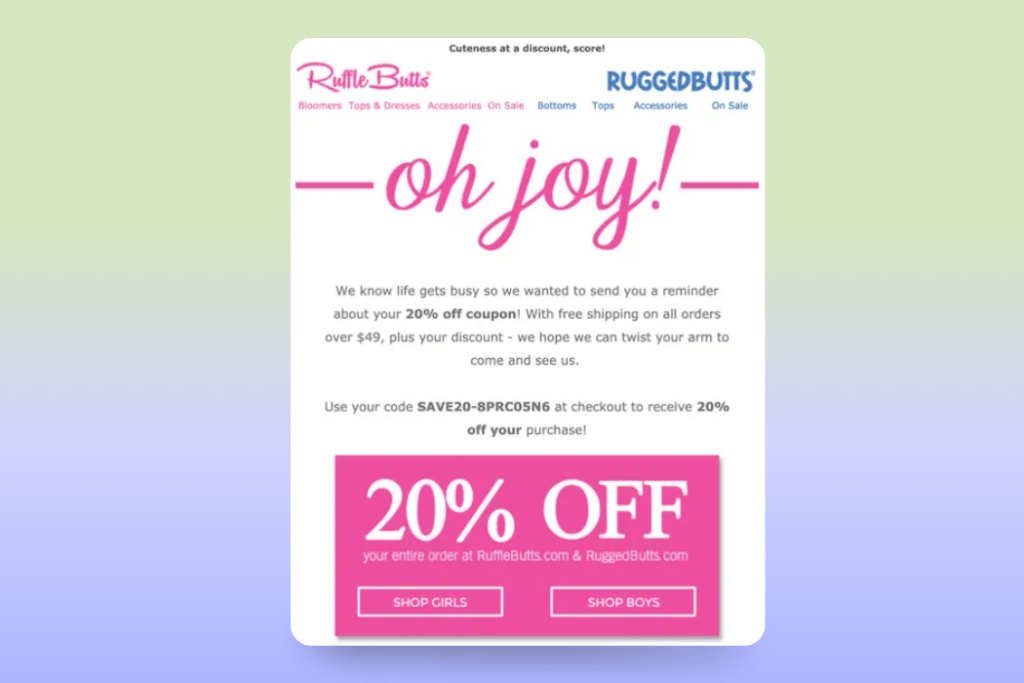
Export customers who haven’t purchased in 90+ days. Send them a specialized discount code. Frame it around products they bought before. “We noticed you bought . Here’s 15% off your next order.”
This beats generic promotions every time. The key is using actual purchase data, not guessing. Consequently, your win-back emails feel relevant instead of spammy.
The VIP early access program
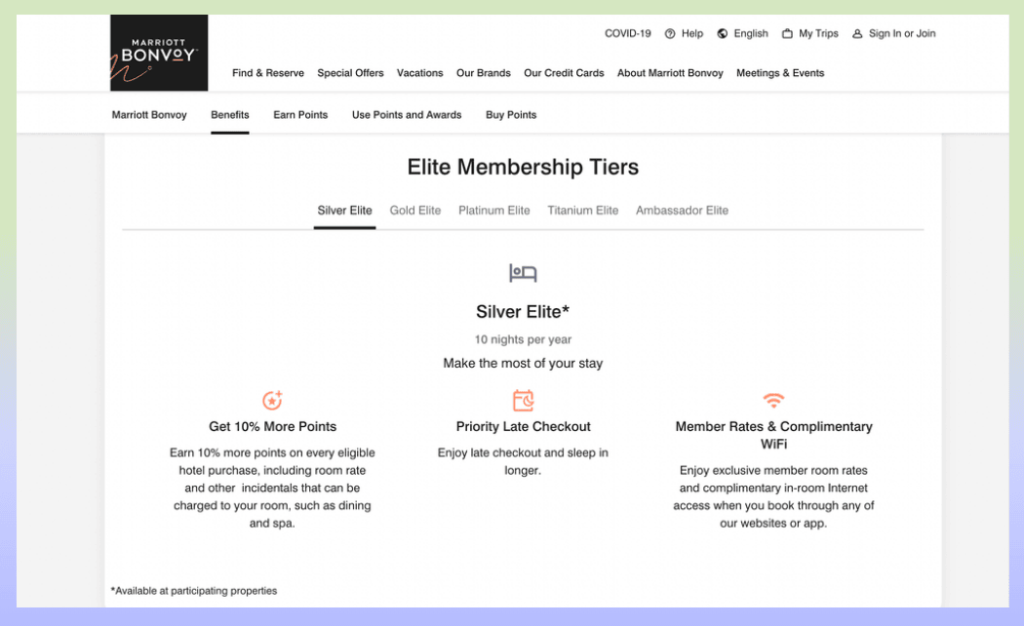
Give your top customers early sale access. Let them shop 24 hours before public announcements. This costs nothing but makes high-value customers feel special. Therefore, they become more loyal without any additional discount expenses.
Friends hear about this VIP treatment naturally. Free word-of-mouth marketing happens when people feel valued. As a result, your best customers do the selling for you.
Post-purchase education
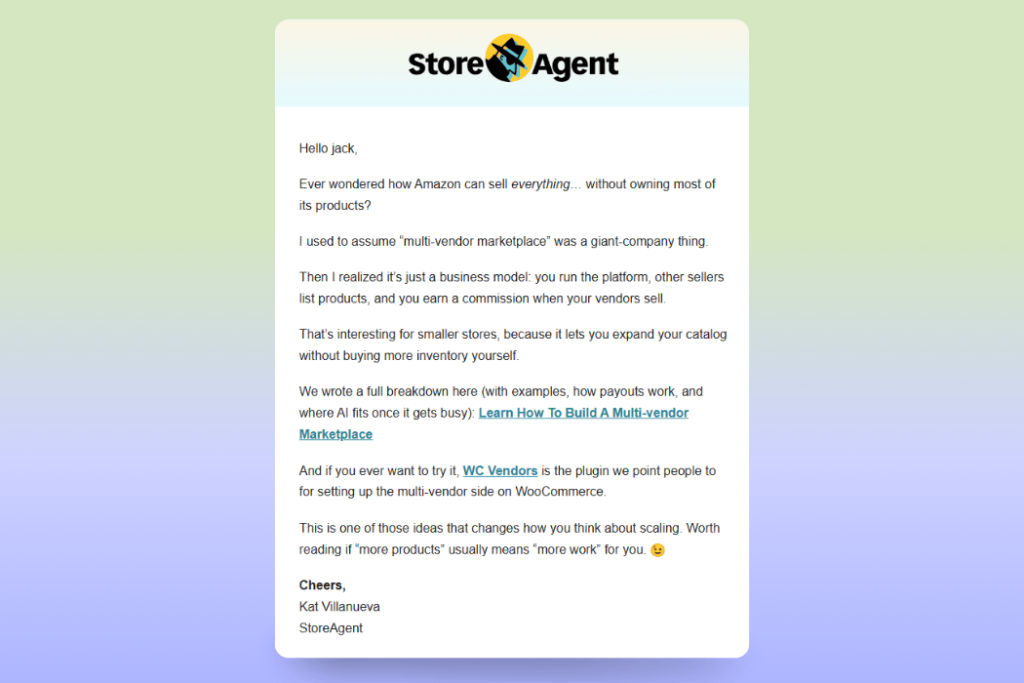
Send helpful content after each purchase. Teach customers how to get more value from what they bought. Fashion stores can send styling tips. Food products pair well with recipe ideas. Physical goods benefit from maintenance guides.
Education builds trust over time. Your next recommendation feels helpful, not pushy. I’ve seen this work well with complex products that have multiple uses. Moreover, educated customers become repeat buyers faster.
This approach delivers multiple benefits of customer retention without requiring discounts or promotions.
Conclusion
The benefits of customer retention represent your most profitable growth lever. Stop pouring money into expensive acquisition campaigns. Instead, extract maximum value from customers who already trust you.
Here’s what we covered:
- What Is Customer Retention?
- Top 8 Key Benefits Of Customer Retention
- How To Export Customer Segments In WooCommerce
- 3 Simple Retention Strategies To Start Today
Start by exporting your store data to identify your best customer segments. Launch targeted retention campaigns using the strategies we covered. One-time buyers will transform into lifelong customers, and your profit margins will expand without increasing ad spend.
Ready to unlock these benefits? Check out our pricing plans and start retaining more customers today.
Frequently Asked Questions
How do I identify which customers are at risk of churning?
Export your customer list filtered by “last order date” and flag anyone who hasn’t purchased in 60-90 days, depending on your typical purchase cycle. For subscriptions, watch for customers whose usage drops 30% or more.
Use WooCommerce customer export tools to pull this data weekly. Feed it into automated email sequences. Track metrics like purchase frequency and engagement rates to spot early warning signs.
What’s a good customer retention rate for ecommerce stores?
The average ecommerce retention rate sits around 30%, while subscription-based ecommerce averages 67%. However, your ideal rate depends on what you sell. Fashion retailers typically target 40-50% annual retention, while consumables should aim for 70%+ because people reorder regularly.
Track your retention quarterly. Compare against your previous performance, not industry averages that may not apply to your specific niche. Focus on improving your own baseline month over month.
What’s the fastest way to calculate customer lifetime value?
Multiply average order value by purchase frequency, then multiply that by average customer lifespan in years. For example: $75 order value × 3 purchases per year × 4-year lifespan = $900 CLV.