What makes customers choose Apple over Samsung, or Sephora over Ulta? The best brand loyalty examples show us that repeat purchases rarely happen by accident. These companies engineer loyalty by knowing their customers well and treating them as individuals.
Many WooCommerce store owners struggle with low repeat purchase rates. The common mistake? Treating every customer the same way. When you do that, you waste your most valuable business asset. That asset is the purchase data inside your WooCommerce dashboard.
In this guide, we will explore seven inspiring brand loyalty examples and show you exactly how to use your customer data to replicate their success.
Quick Glance: The 7 brands we will cover
| Brand | Loyalty Strategy | Key Takeaway |
|---|---|---|
| Sephora | Tiered rewards based on annual spend | Gamification drives higher order values |
| Amazon | Subscription membership with premium benefits | Sunk-cost fallacy consolidates purchases |
| Chewy | Surprise and delight personal touches | Emotional connection beats discounts |
| The North Face | Experience and lifestyle-based rewards | Loyalty extends beyond transactions |
| Dollar Shave Club | Frictionless auto-replenishment | Convenience is a powerful retention driver |
| Starbucks | Mobile app with payments and personalized offers | Seamless experience collects valuable data |
| Nike | Exclusive products and early access | Members need reasons to engage beyond buying |
What Is Brand Loyalty And Why Does Data Matter?
Brand loyalty is a consumer behavior pattern where customers consistently purchase products or services from the same company. They do this even when competitors have similar products or lower prices. Marketing professor Philip Kotler describes it as a deep commitment to consistently choose the same brand again and again.
Decades of marketing research confirm this pattern. According to a 2023 Harvard Business Review analysis, emotionally connected customers are 52 percent more valuable than highly satisfied customers.
You need to know your best customers first. A Yotpo survey found that 77 percent of consumers stay loyal to brands for ten years or more. Those relationships start with data.
Every great loyalty program relies on accurate customer information and order history. Without it, you are essentially guessing.
What Are The Best Brand Loyalty Examples In E-Commerce?
Let us look at seven companies that have mastered customer retention. The seven examples below come from different industries. But they share one thing. Data drives every decision they make.
1. Sephora’s Beauty Insider Program
Sephora groups customers into three tiers based on annual spending: Insider, VIB, and Rouge. Higher tiers unlock better perks like free shipping, exclusive products, and early sale access.
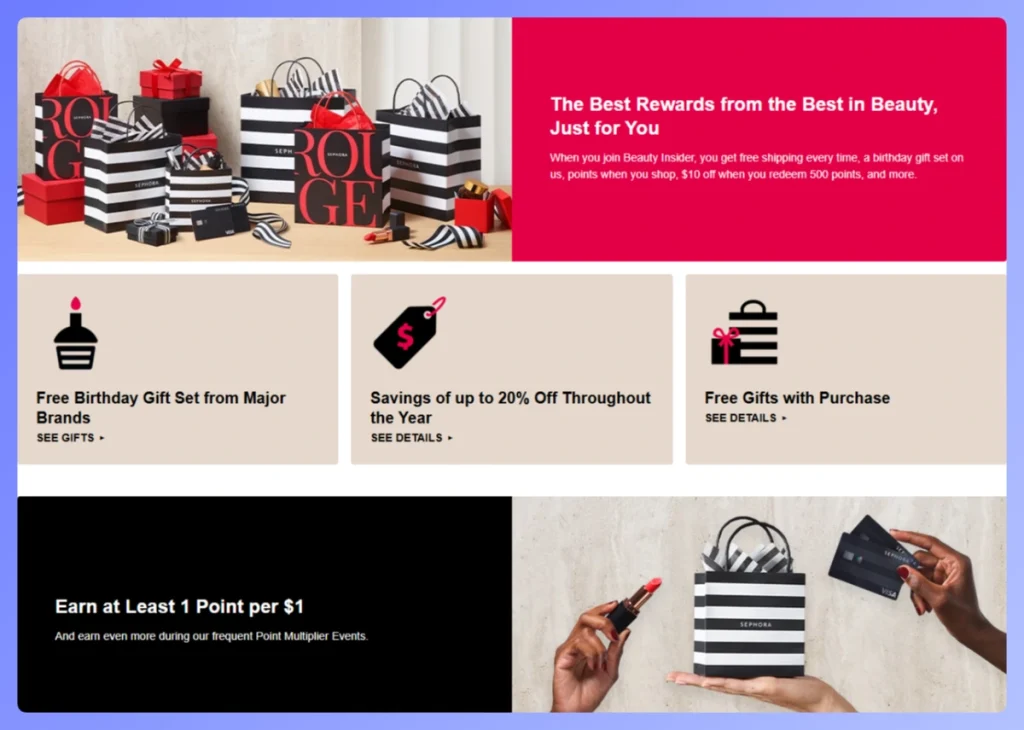
The strategy works because it gamifies the shopping experience. Customers want to reach the next level. For WooCommerce merchants, the takeaway is clear. You need to identify your highest spenders before you can reward them differently than one-time buyers.
People copy this brand loyalty example for a good reason. Tiered programs create clear paths forward. And those paths push customers to spend more.
2. Amazon Prime
Amazon charges an upfront fee for benefits like fast shipping and exclusive video content. Once customers pay for Prime, they tend to buy more from Amazon to maximize their investment. Behavioral economists call this the sunk-cost fallacy.
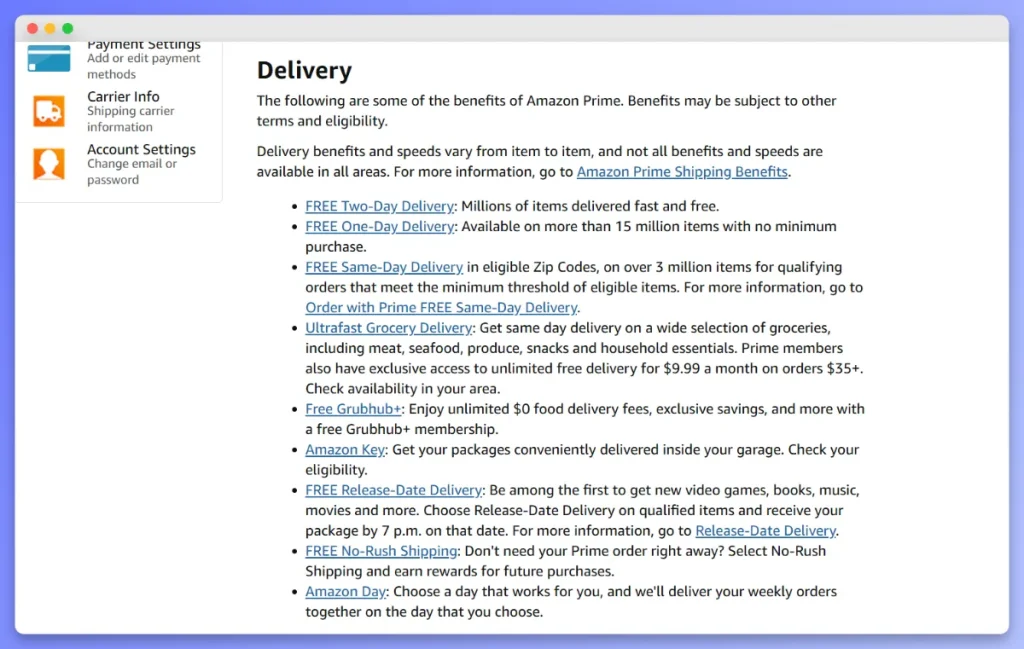
The lesson here involves convenience and perceived value. When customers feel they are getting exclusive benefits, they consolidate their shopping with your brand.
3. Chewy’s Surprise and Delight Strategy
Chewy sends handwritten holiday cards and even custom pet portraits to frequent buyers. These small gestures create emotional connections that go far beyond transactions.
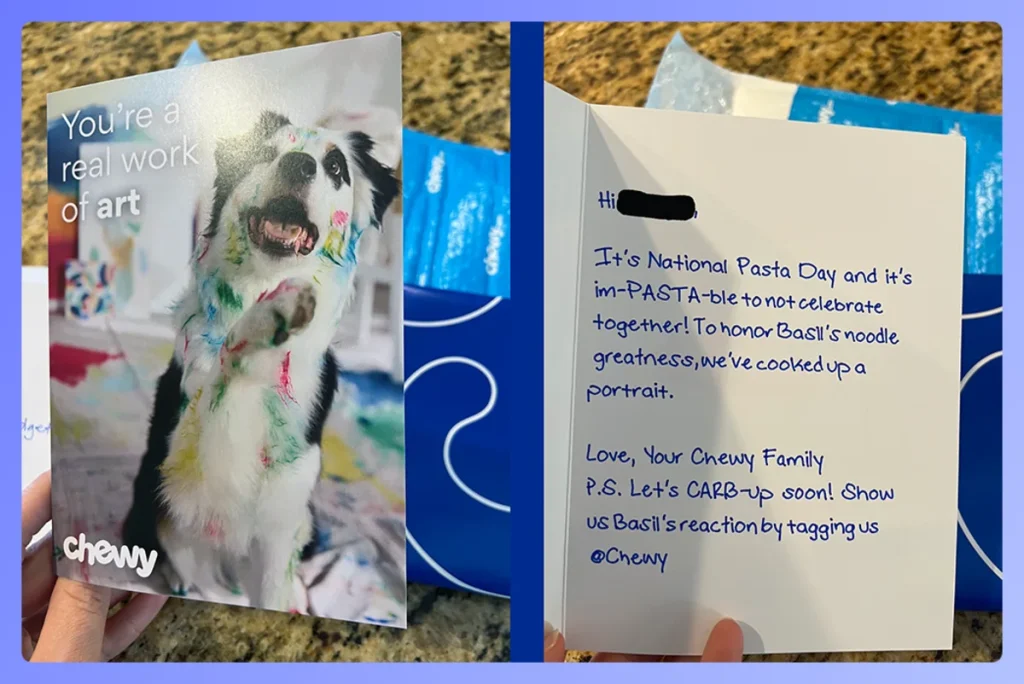
According to Bain and Company, increasing customer retention rates by just five percent can boost profits by 25 to 95 percent. Chewy understands that emotional resonance builds unshakable loyalty. The hard part for most stores is tracking customer history well enough to do the same.
Of all the examples we looked at, Chewy stands out. They prove that emotional connection beats discounts and points.
4. The North Face Experience Program
The North Face rewards customers for more than just buying stuff. You also earn perks for attending events or downloading their app. Their loyalty program integrates with customer lifestyle rather than just the checkout process.
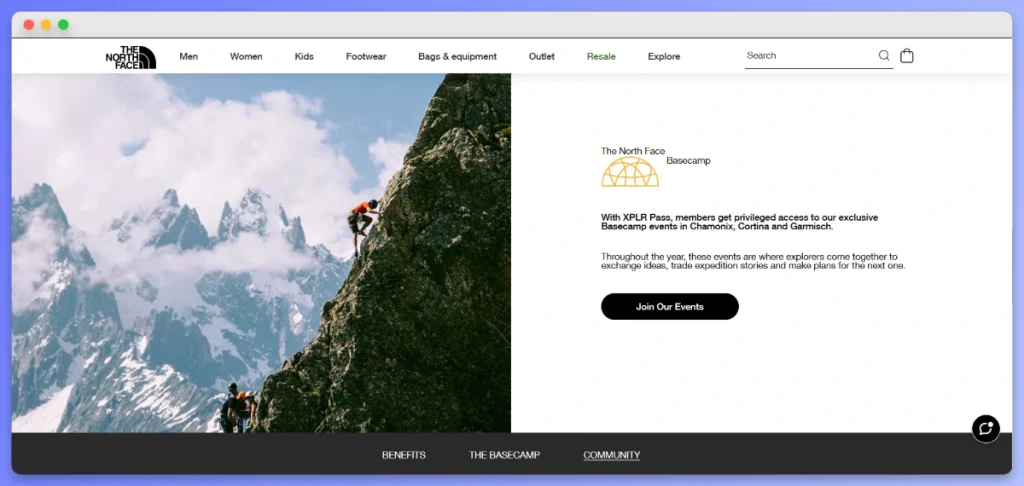
This approach shows that loyalty can extend beyond transactions. When customers identify with your brand values, they keep coming back.
5. Dollar Shave Club
Dollar Shave Club made repeat purchases effortless. By automating the delivery of consumable products, they removed all friction from the buying process.
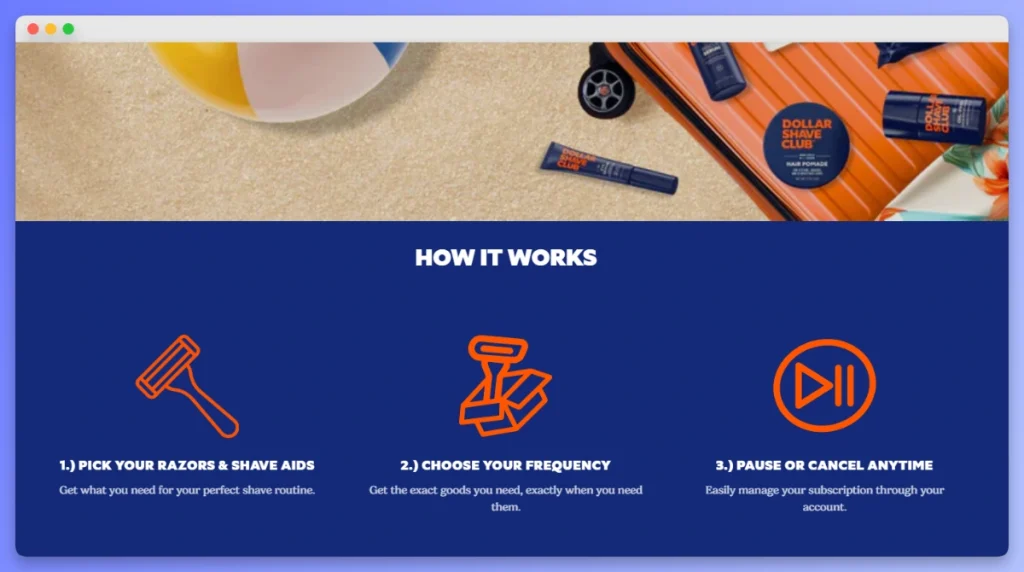
Sometimes the strongest loyalty driver is simply convenience. If customers do not have to think about reordering from you, they probably will not bother ordering from a competitor.
6. Starbucks Rewards
Starbucks built one of the most successful mobile loyalty apps in the world. Customers earn stars on purchases, which unlock free drinks and personalized offers. The app also handles payments, making the entire experience seamless.
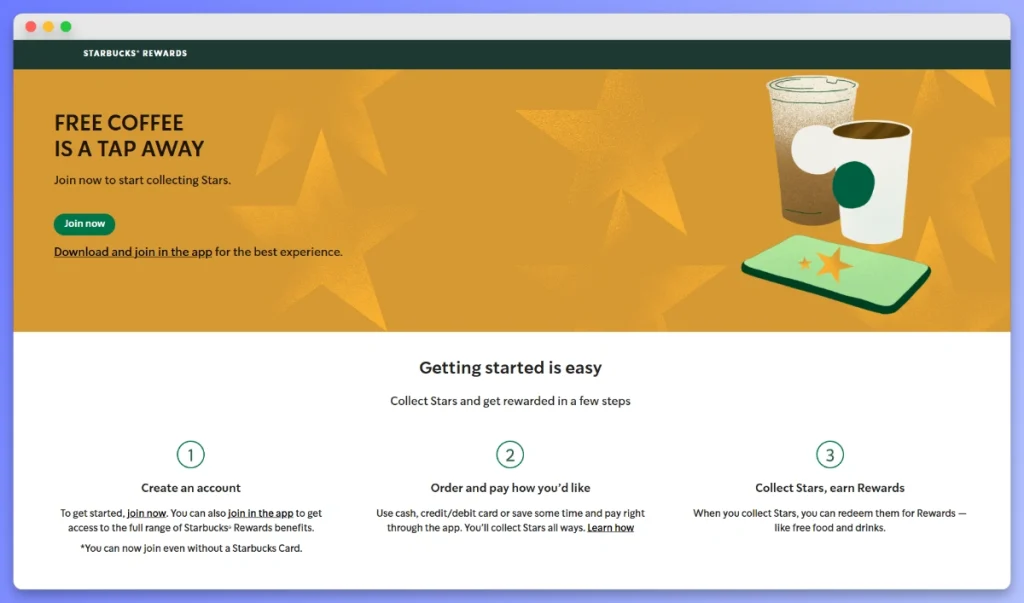
The data Starbucks collects through this system is enormous. They know what you order, when you visit, and exactly what promotions will bring you back.
7. Nike Membership
Nike offers exclusive products, free shipping, and birthday rewards to members. But they go further by providing training apps and early access to new sneaker releases. Members feel like insiders.
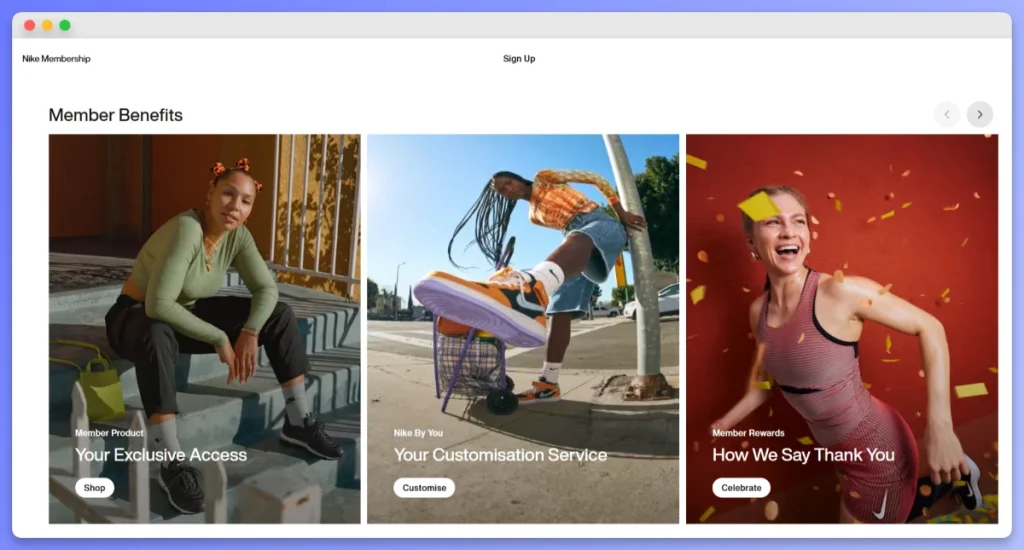
The strategy works because Nike treats loyalty as a relationship, not just a transaction history. They give members reasons to engage with the brand beyond buying shoes.
This is one of the brand loyalty examples that actually shows what happens when you focus on connections rather than transactions.
How Can You Replicate These Brand Loyalty Examples In WooCommerce?
Looking at enterprise examples is great for inspiration. But you need a practical way to execute similar strategies with your own customer base. This is where your WooCommerce data becomes essential. These brand loyalty examples work because they are built on data.
After working with hundreds of WooCommerce stores through Visser Labs, we have seen the same pattern repeat. Store owners who export and segment their customer data consistently see repeat purchase rates climb within 90 days. In fact, one Visser Labs case study documented a 14-15 percent increase in conversions after implementing data-driven changes based on customer insights.
Step 1: Identify your VIPs with Store Exporter Deluxe
You cannot create a Sephora-style tier system if you do not know who your highest spenders are. Store Exporter Deluxe lets you run filtered exports based on specific customer behaviors.
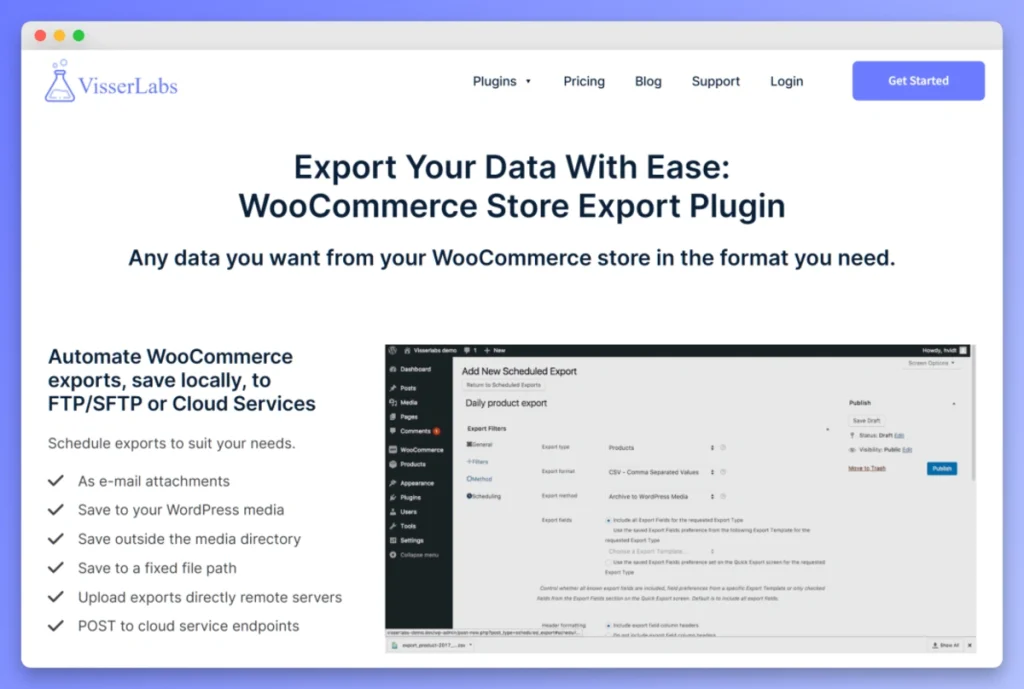
For example, you can export all customers who have spent more than five hundred dollars in the past year. Or find everyone who has placed five or more orders. This gives you a clean list of your actual VIPs, not just the customers you assume are valuable.
Step 2: Bulk assign loyalty tiers
Once you have your VIP customer list, you need to tag them appropriately in your store. Using Product Importer Deluxe, you can bulk update user roles or add custom tags like “Gold Tier” or “VIP Customer.”
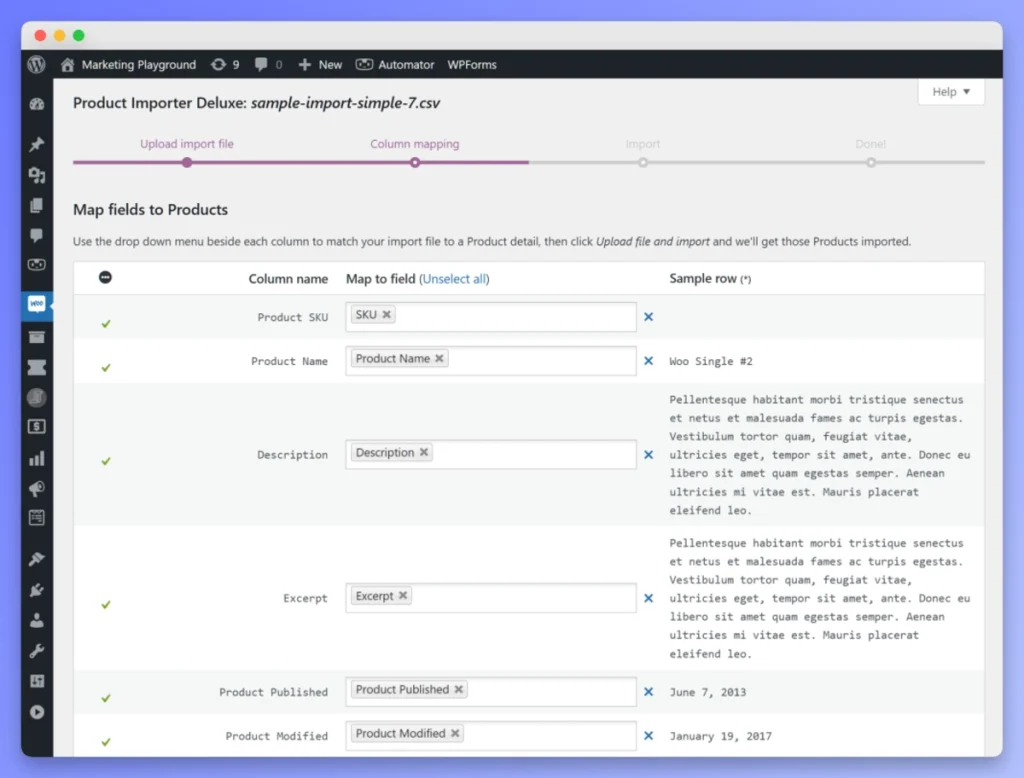
This step transforms your export from a static spreadsheet into an actionable segment. These tagged customers can then receive automatic perks, such as special pricing or early access to new products.
Step 3: Execute surprise and delight campaigns
Want to copy the Chewy playbook? Export order data to find customers who buy specific product categories or purchase frequently for pets or children. Feed this CSV data into your email marketing platform.
Now you can send highly targeted thank you messages, birthday discounts, or early access offers. The key difference is that these campaigns are based on real customer behavior, not generic guesses.
How Do You Measure The Success Of Your Loyalty Initiatives?
Tracking matters. After all, without it, you cannot tell if your loyalty program works. Focus on three metrics. Customer lifetime value shows revenue per customer over time. Repeat purchase rate tracks who comes back. Churn rate shows who leaves.
Scheduling automated weekly exports through Visser Labs ensures your team always works with fresh data. When you can measure changes in these metrics month over month, you know whether your loyalty efforts are actually working.
Over 20,000 WooCommerce stores use Visser Labs tools to export and analyze customer data. The feedback we hear most often? Store owners consistently tell us they had no idea who their best customers were until they ran their first export.
Conclusion
You do not need a huge budget or a developer team to build loyalty. You need to know your best customers and what they want. The brands we covered won by treating people differently based on data.
- What Is Brand Loyalty?
- Best Brand Loyalty Examples in E-Commerce
- How to Replicate these Brand Loyalty Examples in WooCommerce
- How to Measure the Success of Your Loyalty Initiatives
Your WooCommerce store already contains the data you need to build similar strategies. The difference between simply reading about brand loyalty examples and actually executing them comes down to extracting that data and acting on it.
Download Store Exporter Deluxe today, uncover your actual VIPs, and start building a loyalty program that works for your business.
Frequently Asked Questions
Should I reward customers based on order frequency or total spend?
Both matter, but total spend typically indicates higher lifetime value. Start by identifying customers who spend the most. Then layer in frequency to find consistent but lower-spending shoppers worth nurturing.
How many loyalty tiers should a small store have?
Three tiers maximum. Any more confuses customers and creates administrative headaches. Basic, Silver, and Gold work well. The gap between tiers should feel achievable, not impossible.
What perks actually make customers come back?
Free shipping consistently outperforms percentage discounts. Early access to new products creates exclusivity. Birthday rewards drive engagement. Points that never expire build trust.
When should I start a loyalty program?
When you have at least 100 repeat customers. Launching too early means guessing what perks matter. Launching too late means missing retention opportunities. Use existing customer data to design relevant rewards first.
Do loyalty programs work for one-time purchase products?
Yes, but differently. Focus on cross-selling related items and building community. Outdoor gear stores use this approach. Customers may buy tents once but return for accessories, guides, and events.